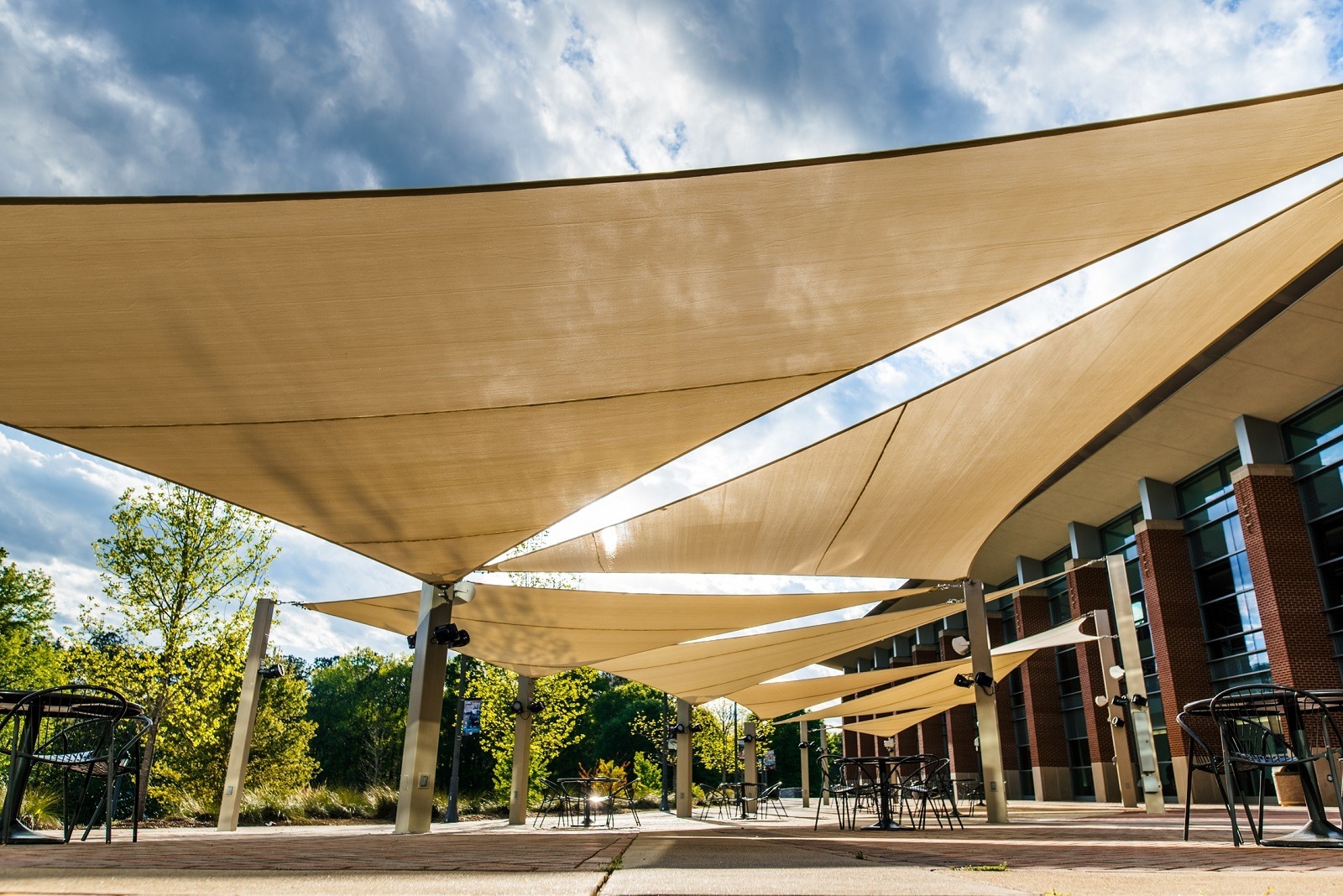
Planning maintenance in condominium ownership is a critical aspect that ensures the longevity and functionality of the property while preserving its aesthetic appeal. Unlike standalone homes, condominiums present unique challenges and opportunities when it comes to maintenance due to shared spaces and collective responsibility among unit owners. Effective planning not only helps in maintaining the value of individual units but also enhances the overall living experience for residents.
The first step in planning maintenance within a condominium setting involves understanding the distinction between common areas and individual units. Common areas typically include amenities such as lobbies, hallways, elevators, recreational facilities, and exterior landscaping. Maintenance of these areas is usually managed by a homeowners’ association (HOA) or a similar governing body responsible for overseeing upkeep tasks funded through monthly fees collected from unit owners. Therefore, it is imperative that this body develops a comprehensive maintenance plan that addresses both routine tasks like cleaning and more extensive projects such as repainting or roof repairs.
An effective maintenance plan begins with regular inspections to identify potential issues before they escalate into costly repairs. Scheduled inspections should cover essential systems including plumbing, electrical wiring, heating, ventilation, air conditioning (HVAC), and structural components like roofs and foundations. Early #REF! detection of wear-and-tear can significantly reduce repair costs by allowing timely interventions.
Budgeting plays an equally crucial role in successful maintenance planning. The HOA must ensure there are adequate reserves set aside for both anticipated expenses such as routine cleaning services or minor repairs and unexpected emergencies like water leaks or storm damage. Proper financial management includes creating reserve funds based on estimated future repair costs derived from historical data or professional assessments.
Communication among stakeholders—board members, property managers, contractors—is vital for executing any maintenance strategy effectively. Clear communication channels help ensure everyone understands their roles and responsibilities concerning upkeep activities while fostering transparency regarding financial decisions made about reserve allocations or contractor selections.